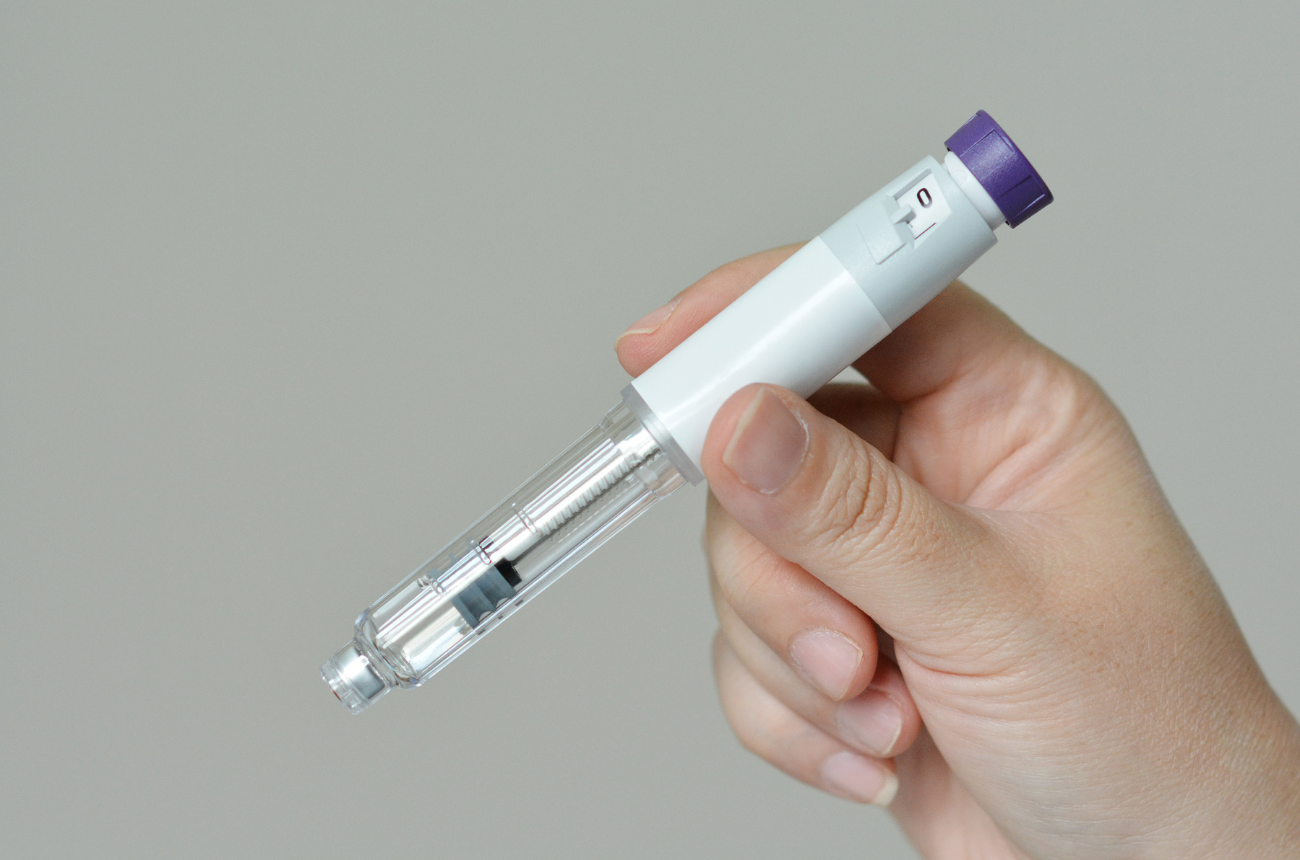
The FDA has expanded the approved use of Mounjaro (tirzepatide) to include reducing the risk of major cardiovascular events in certain adults with type 2 diabetes, adding an important cardiovascular component to the medication’s clinical role.
On August 28, 2026, the U.S. Food and Drug Administration approved an expanded indication for Mounjaro (tirzepatide), a medication that acts on both glucose-dependent insulinotropic polypeptide (GIP) and glucagon-like peptide-1 (GLP-1) receptors.
The updated indication applies to adults with type 2 diabetes who are at high cardiovascular risk. In this population, Mounjaro is now approved to reduce the risk of major adverse cardiovascular events (MACE), including cardiovascular death, nonfatal heart attack, and nonfatal stroke.
For practices treating patients with metabolic, weight-management, functional, and integrative health concerns, the change is relevant because it reflects the increasingly broad clinical role of incretin-based medications.
What Changed With the Mounjaro Approval?
Mounjaro was already widely used in the management of type 2 diabetes and has also played an important role in metabolic and weight-management care. The FDA's August 2026 decision adds a specific cardiovascular risk-reduction indication.
The approved cardiovascular benefit concerns three major outcomes:
- Cardiovascular death
- Nonfatal myocardial infarction (heart attack)
- Nonfatal stroke
The indication is specifically for adults with type 2 diabetes who have a high risk of cardiovascular events.
This distinction is important for providers. The new indication does not mean that Mounjaro has received a blanket approval for cardiovascular disease prevention in every patient. Its FDA-approved cardiovascular indication applies to the defined population in the updated labeling.
What the SURPASS-CVOT Trial Found
The expanded indication was supported by results from the SURPASS-CVOT cardiovascular outcomes trial.
The study included more than 13,000 adults from 30 countries and followed participants for more than four years. Researchers compared tirzepatide with dulaglutide, a GLP-1 receptor agonist marketed as Trulicity.
Tirzepatide met the trial's criteria for noninferiority compared with dulaglutide for major adverse cardiovascular events.
The reported results showed an approximately 8% lower rate of MACE with tirzepatide compared with dulaglutide. However, the trial did not establish statistical superiority of tirzepatide over dulaglutide for the primary cardiovascular outcome.
That distinction matters when interpreting the findings. The evidence supports tirzepatide as noninferior to the comparator for cardiovascular outcomes in the studied population, rather than demonstrating that tirzepatide is definitively better than dulaglutide for preventing MACE.
Why This Matters for Metabolic and Integrative Practices
The expanded indication illustrates how the clinical conversation around incretin-based medications is evolving.
For many practices, medications such as tirzepatide may already be considered alongside other components of metabolic health management. Diabetes, body weight, cardiovascular risk, nutrition, laboratory findings, and lifestyle factors can intersect in the care of patients with complex metabolic needs.
The new FDA indication provides another reason for providers to keep cardiovascular risk in view when evaluating appropriate patients.
It also reinforces the importance of documenting the broader clinical picture rather than treating medication management as an isolated workflow.
What Providers Should Know About the Expanded Indication
The FDA approval should be considered in the context of the official prescribing information and the individual patient's clinical circumstances.
Providers should distinguish between:
FDA-approved indications:
The specific conditions and patient population included in the medication's approved labeling.
Clinical decision-making:
Whether the medication is appropriate for a particular patient based on medical history, current treatment, risk factors, contraindications, and other clinical considerations.
Patient-specific care:
The broader treatment plan, which may include nutrition, physical activity, monitoring, laboratory testing, and management of other cardiometabolic risk factors.
The updated indication does not replace individualized clinical judgment or the need to review current prescribing information.
Looking Ahead at Cardiometabolic Care
The expanded FDA indication for Mounjaro adds cardiovascular risk reduction to the medication's approved role for a specific group of adults with type 2 diabetes.
For healthcare providers, the development is part of a larger shift toward treating metabolic health through interconnected clinical considerations rather than viewing glucose management, weight, and cardiovascular risk as completely separate issues.
Practices managing patients with complex metabolic needs can benefit from keeping clinical documentation, laboratory information, medication records, and patient communication organized in one system.
OptiMantra helps specialty healthcare practices manage EHR and practice management workflows in one platform. To learn more about how OptiMantra can support your practice, explore the platform with a free trial or request a demo.
Disclaimer: This article is for informational purposes only and does not constitute medical or legal advice. Providers should consult current FDA prescribing information and applicable regulations before making clinical or prescribing decisions.
Source: SSRP Institute. (2026, September 14th). In Case You Missed it: FDA Approves Mounjaro (tirzepatide) for CVD. Seeds Scientific Research & Performance. https://ssrpinstitute.org/news/fda-approves-mounjaro-tirzepatide-for-cvd/