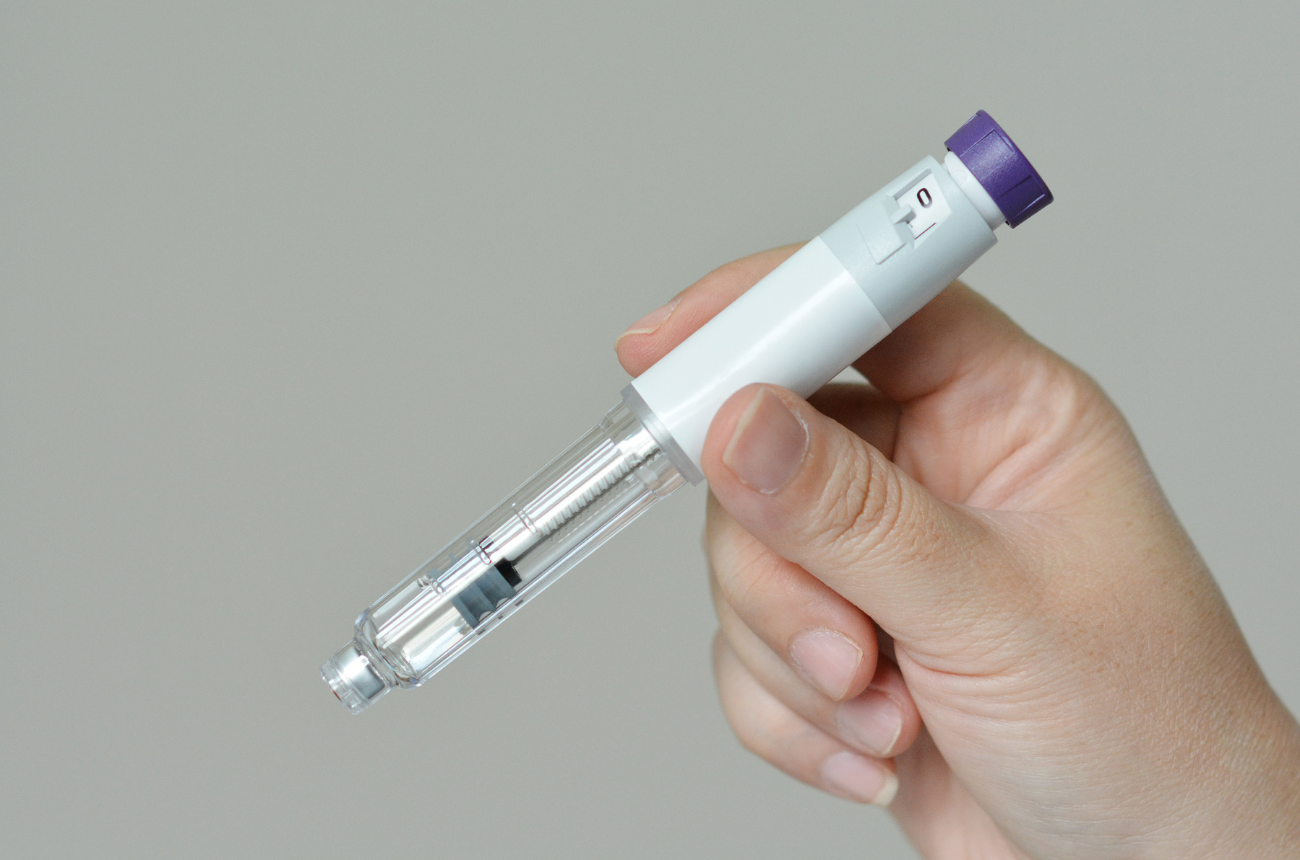
A significant regulatory update from the U.S. Food and Drug Administration (FDA) is drawing attention across the peptide therapy and compounding pharmacy space. In a newly released notice, the agency indicated it plans to remove a group of widely discussed peptide substances from its Category 2 list. The substances affected include BPC-157, LL-37, DiHexa, DSIP, Epitalon, injectable GHK-Cu, KPV, PEG-MGF, Melanotan II, MOTs-C, Semax, and TB-500.
What Category 2 Removal Means
Category 2 has historically included bulk drug substances that raised enough concern to limit their use in pharmacy compounding. Moving these peptides out of that category signals a meaningful regulatory shift.
While this change does not equate to full FDA approval, it reduces a key barrier that has constrained compounding pharmacies. With fewer restrictions, pharmacies may see expanded flexibility in preparing these substances, pending compliance with all other applicable regulations.
The FDA’s update notes that many of the original nominations placing these peptides in Category 2 were withdrawn, prompting the agency’s reassessment.
Additional Reviews Already Scheduled
The announcement also outlines next steps, making clear that this is not the final word on these therapies. Several of the substances are slated for review by the Pharmacy Compounding Advisory Committee (PCAC), with meetings scheduled as early as July 2026.
These evaluations will determine whether specific peptide compounds should ultimately be added to the 503A bulks list, which would formally permit their use in compounding under defined conditions.
Notably:
- BPC-157, KPV, MOTs-C, Emideltide (DSIP), Epitalon, Semax (heptapeptide) and TB-500 are among those expected to be reviewed in July 2026
- Other substances, including Cathelicidin LL-37, Dihexa Acetate, PEG-MGF, GHK-Cu and Melanotan II, are under consideration for review by early 2027
- Non-injectable GHK-Cu is following a slightly different path, with separate evaluation anticipated before February 2027.
Why This Matters for Providers
For clinicians in integrative, functional, and regenerative medicine, the update may mark the beginning of a more accessible environment for peptide-based therapies.
Many of the substances named in the announcement have been explored for their potential roles in areas like tissue repair, immune modulation, metabolic function, and cognitive health. Until now, regulatory uncertainty has made consistent access and prescribing workflows more complicated.
If the FDA ultimately moves toward broader acceptance, or even formal inclusion on the 503A bulks list, providers could see clearer pathways for incorporating these therapies into patient care plans.
A Turning Point, But Not a Final Decision
Despite the momentum suggested by this update, important limitations remain. Removal from Category 2 does not guarantee long-term regulatory acceptance, nor does it replace the need for clinical judgment, proper sourcing, and compliance with federal and state guidelines.
Instead, this moment reflects a transition: from heightened restriction toward structured re-evaluation.
What Practices Should Watch Next
Over the coming months, attention will shift to the FDA’s advisory committee meetings and any subsequent rulings. These decisions will play a critical role in determining whether peptide therapies move closer to mainstream clinical use or remain in a more limited regulatory position. For practices that already work with compounding pharmacies or are considering peptide-based protocols, staying informed will be essential.
As regulatory frameworks evolve, having the right systems in place becomes essential. OptiMantra helps specialized practices stay organized, compliant, and adaptable whether you're tracking emerging therapies, managing documentation, or coordinating care across visits.
If you're evaluating how to better support your workflows, try OptiMantra with a free trial or schedule a personalized demo to see how it fits your practice in real-world scenarios.
Disclaimer: This content is for informational purposes only and not legal, regulatory, or medical advice. FDA updates are ongoing and do not imply approval or safety. Providers should follow current regulations and consult qualified professionals before making clinical or compounding decisions.
Source:
SSRP Institute. (2026, April 15th). FDA Announces Change in Status of 12 Peptides. Seeds Scientific Research & Performance. https://ssrpinstitute.org/news/fda-announces-change-in-status-of-12-peptides