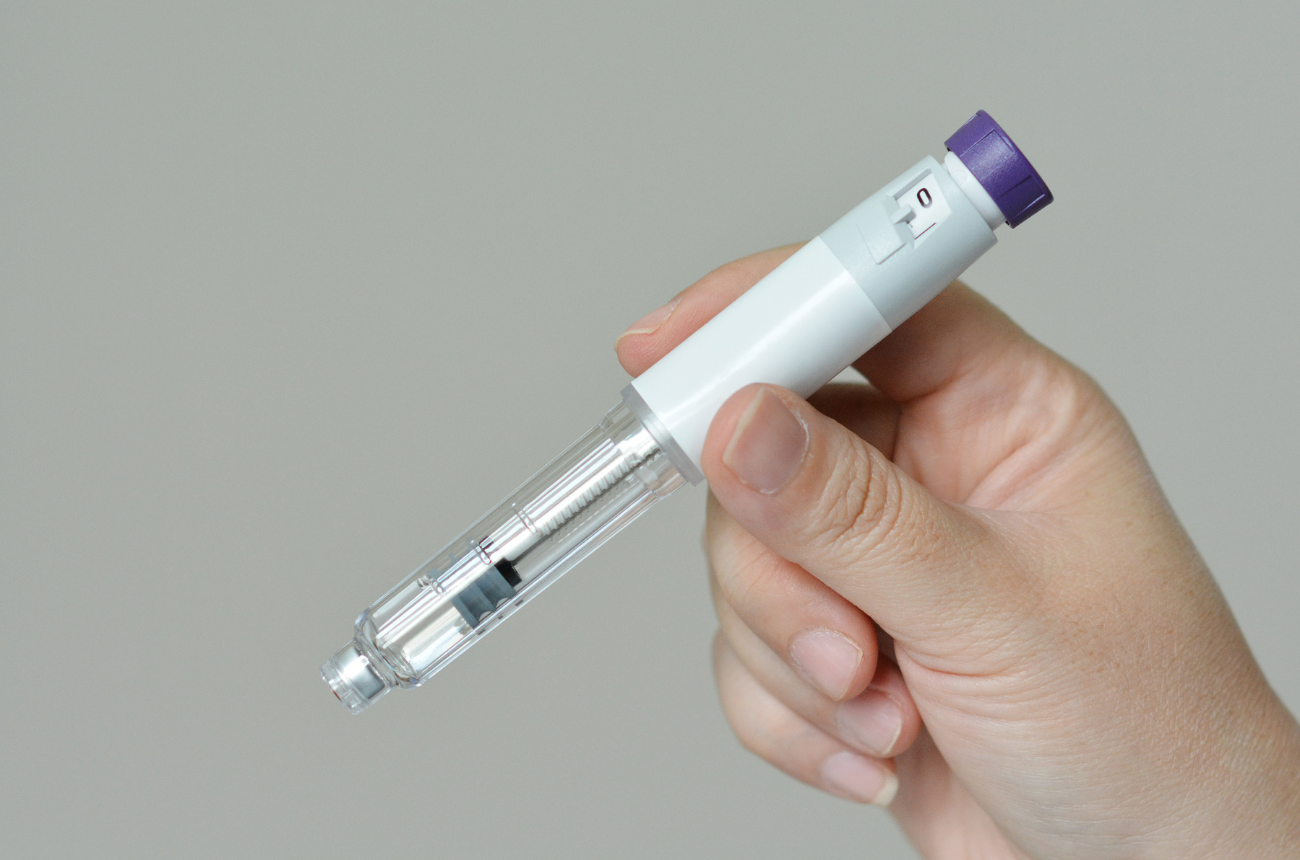
GLP-1 medications have rapidly become one of the most in-demand treatments for patients seeking medically supervised weight loss. Yet despite their popularity, many GLP-1 prescriptions for obesity have been considered off-label—creating confusion for patients and challenges for providers. This has also fueled the rise of unregulated, influencer-promoted peptides sold online, placing patients at risk.
Now, the World Health Organization (WHO) has released new global guidelines recognizing obesity as a chronic disease and formally supporting the long-term use of GLP-1 therapies for weight management. These guidelines mark a major shift in how obesity is defined, treated, and supported worldwide—and they have important implications for MedSpa clinicians who offer weight-loss programs.
Here’s what you need to know.
Why These New Guidelines Matter
For years, GLP-1s such as semaglutide and tirzepatide were primarily approved for type 2 diabetes, leaving patients without that diagnosis navigating limited access, inconsistent insurance coverage, or unregulated online sellers.
The WHO’s new guidance directly addresses these barriers. By classifying obesity as a global health epidemic and acknowledging the clinical effectiveness of GLP-1 medications, the organization has firmly placed obesity in the category of chronic disease—one that deserves long-term, medically supervised care.
This shift doesn’t just validate patient experiences; it also strengthens the legitimacy of supervised medical weight-loss programs offered by MedSpas and integrative practices.
Key Takeaways From the WHO’s Updated Recommendations
The newly published WHO guidelines outline several critical updates:
1. GLP-1s Are Now Recommended for Long-Term Obesity Treatment
Adults—with the exception of pregnant patients—may use GLP-1 medications as part of a long-term obesity management plan. This solidifies their role as a foundational therapeutic option, not just a short-term intervention.
2. Medication Alone Is Not Enough
WHO stresses that patients should also have access to structured behavioral support, including:
- nutrition counseling
- physical activity guidance
- lifestyle-focused coaching
- holistic care models
This integrated approach aligns with the multi-modal programs commonly offered by MedSpas.
3. Obesity Must Be Treated as a Chronic Disease
The guidelines emphasize that stigma, misinformation, and fragmented care have long prevented patients from receiving appropriate treatment. WHO calls for health systems to adopt long-term obesity care models that go beyond weight reduction alone.
4. GLP-1s Have Proven, Sustained Benefits
Citing data showing 5–16% reductions in body weight and related health improvements, WHO acknowledges GLP-1s as transformative agents in chronic obesity management—not just diabetes management.
What This Means for MedSpa Weight-Loss Programs
These guidelines will affect how patients seek care, how providers position services, and how the industry evolves. Here’s what MedSpa professionals should keep in mind:
1. Increased Legitimacy for Medically Supervised Weight Loss
MedSpas offering GLP-1-based weight-loss programs are now aligned with global medical guidance. This may reduce patient hesitation and help normalize obesity care as a medical service rather than a personal failing.
2. Greater Demand—and More Competition
With obesity formally recognized as a chronic disease and GLP-1 therapies validated for treatment, hospitals and larger health systems may expand their offerings. Independent MedSpa clinicians may experience a shift in the competitive landscape.
3. A Stronger Emphasis on Comprehensive Care
WHO’s call for behavioral and lifestyle interventions reinforces what many MedSpa programs already practice: a multi-modal, patient-centered approach combining medication with coaching, nutrition, fitness guidance, and ongoing support.
4. Reduced Reliance on Unregulated Peptides
Patients discouraged by off-label restrictions have sometimes turned to influencer-promoted, unbranded peptides. With clearer medical guidelines, patients may feel more empowered to seek legitimate prescriptions through qualified providers—improving safety and lowering risk.
5. A Push for Future Innovation
WHO’s attention to obesity care is likely to spark more research, new medication classes, and expanded treatment options. MedSpas already at the forefront of weight-loss care will be well positioned to evolve with these changes.
How OptiMantra Supports Safe, Structured GLP-1 Weight-Loss Care
With increasing demand for supervised weight-loss programs, MedSpas need a system that helps them deliver safe, compliant, and organized care. OptiMantra supports your weight-loss services by offering:
- Clinical documentation tools tailored for medication-based and multi-modal programs
- Customizable intake and lifestyle assessments to track nutrition, exercise, and behavioral interventions
- Integrated patient communication for check-ins, follow-ups, and progress tracking
- Inventory management to ensure proper handling and logging of GLP-1 supplies
- Detailed outcome tracking, including measurements, photos, and visit notes
With OptiMantra, you can deliver high-quality, evidence-based obesity care aligned with the latest global guidelines.
A New Era for Medically Supervised Weight-Loss Care
The WHO’s new stance marks a pivotal shift in how obesity is treated worldwide. For MedSpas, it validates the clinical importance of weight-loss services, encourages a comprehensive care model, and highlights the need for safe, responsible prescribing—especially as demand continues to grow.
By staying aligned with global guidance and offering structured, medically supervised programs, MedSpa professionals can play a vital role in reshaping the future of obesity care.
See how OptiMantra can help you to deliver high-quality, evidence-based obesity care by booking a demo or signing-up for a free trial.
Disclaimer: This article is for informational and educational purposes only and does not constitute medical, legal, or regulatory advice. Treatment decisions, including the prescribing and use of GLP-1 medications, should be made by qualified healthcare professionals in accordance with applicable laws, regulations, and clinical judgment.
Source:
Hauk, D. (2025, December 3rd). New Guidelines on the Use of GLP-1 Medication for Managing Weight. American Med Spa Association. https://americanmedspa.org/news/new-guidelines-on-the-use-of-glp-1-medication-for-managing-weight